
$79.00
$129.00


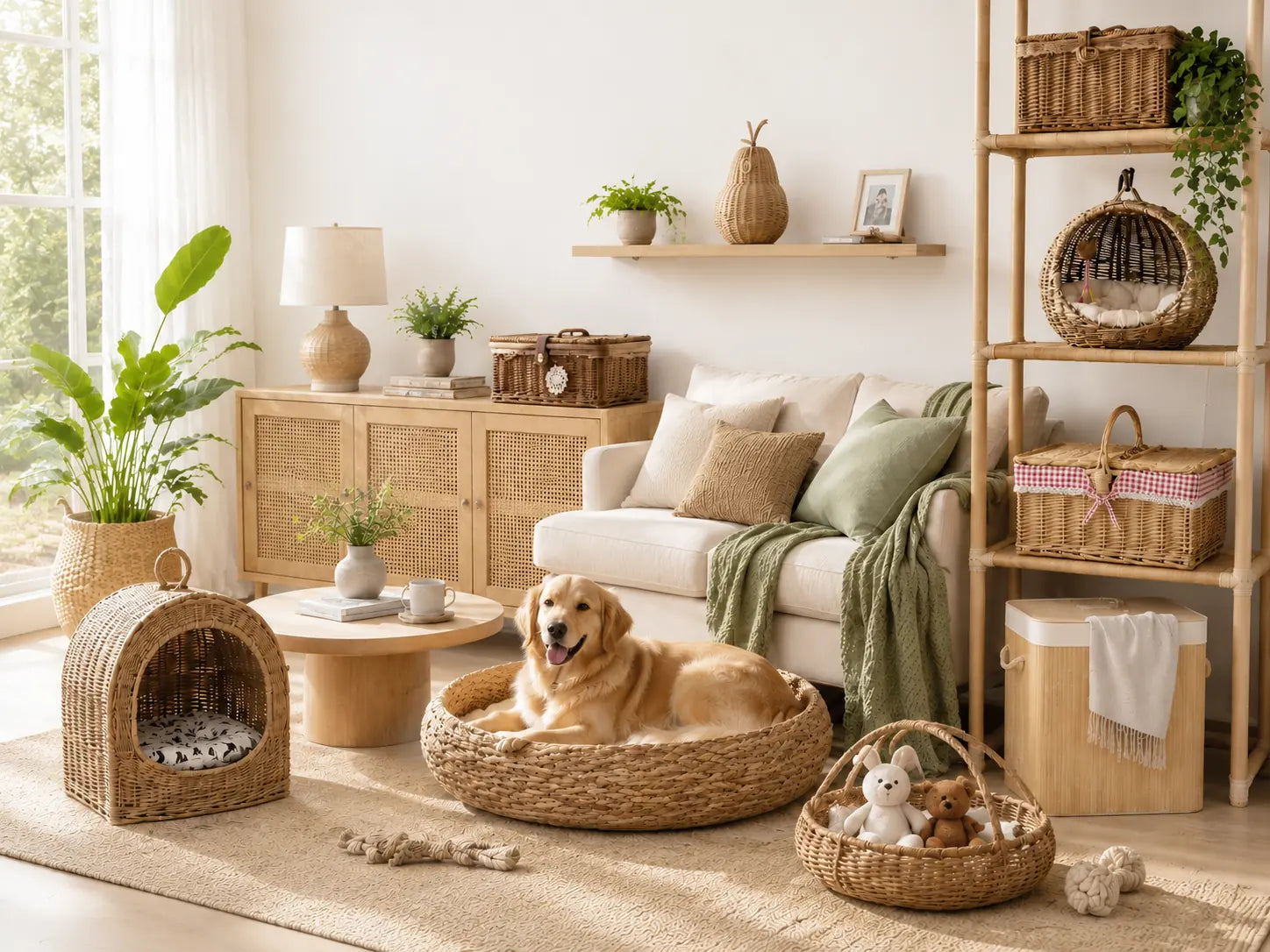
Natural pieces loved by pets and designed to belong beautifully in your home.


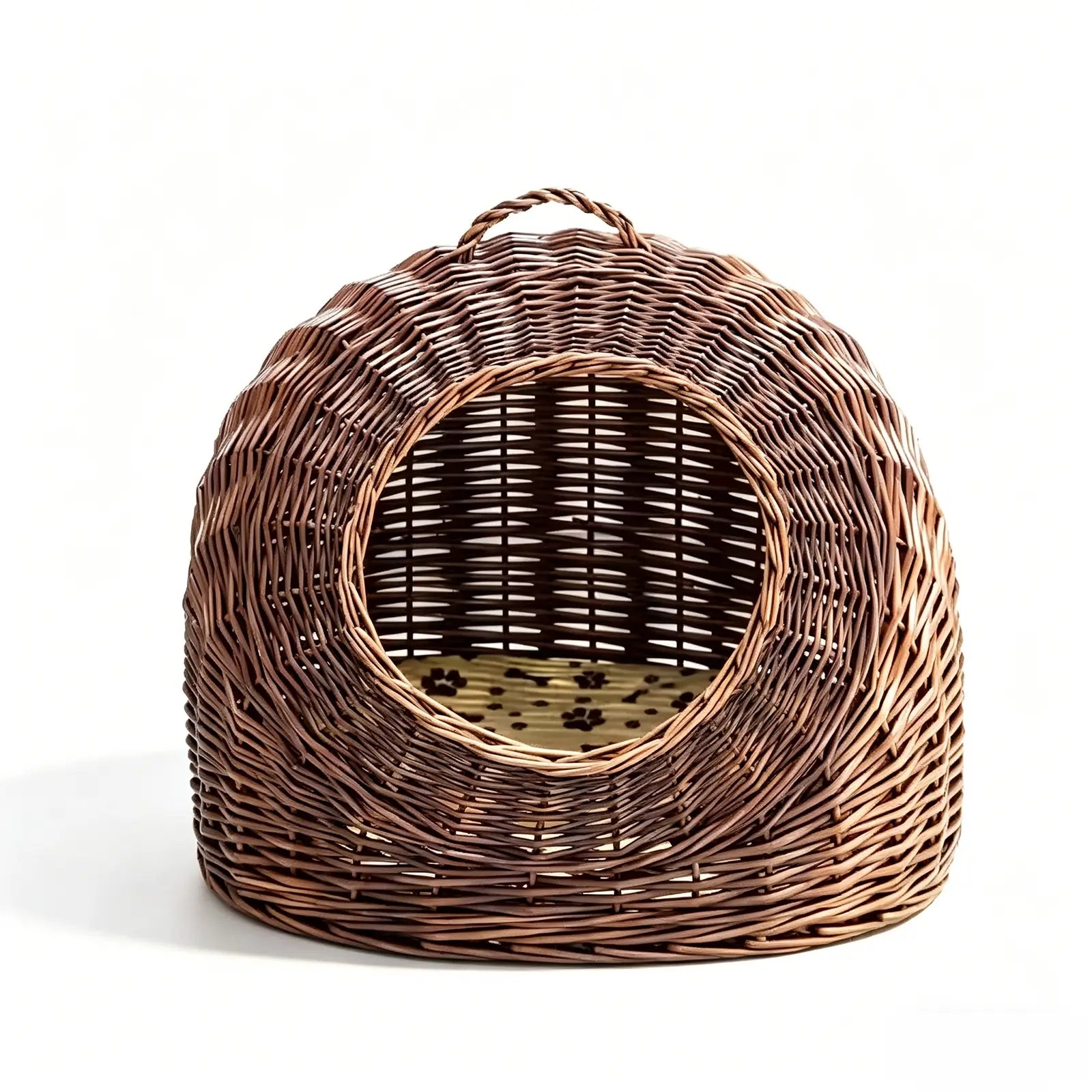


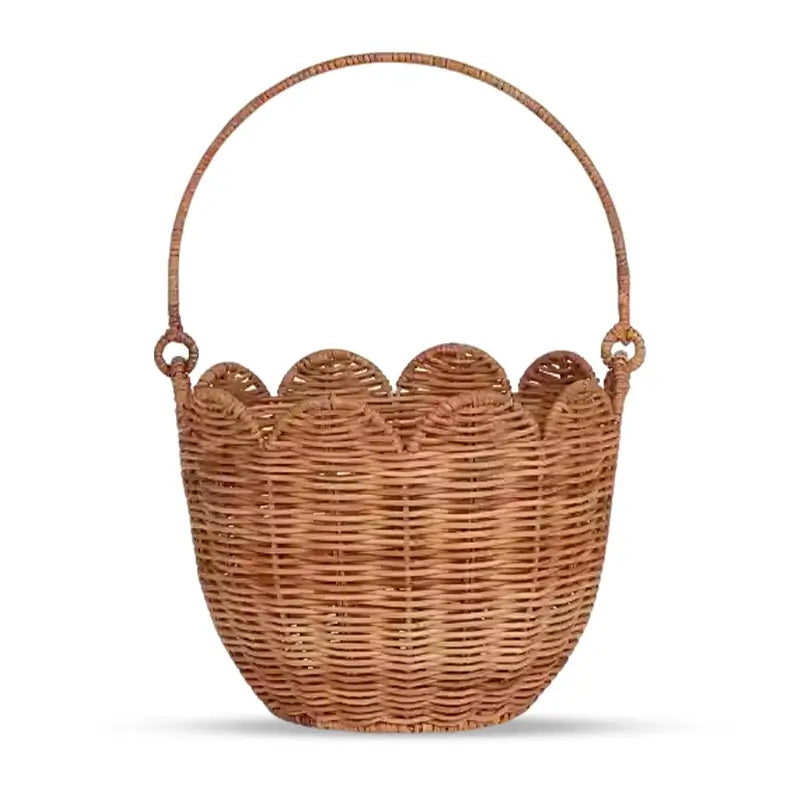


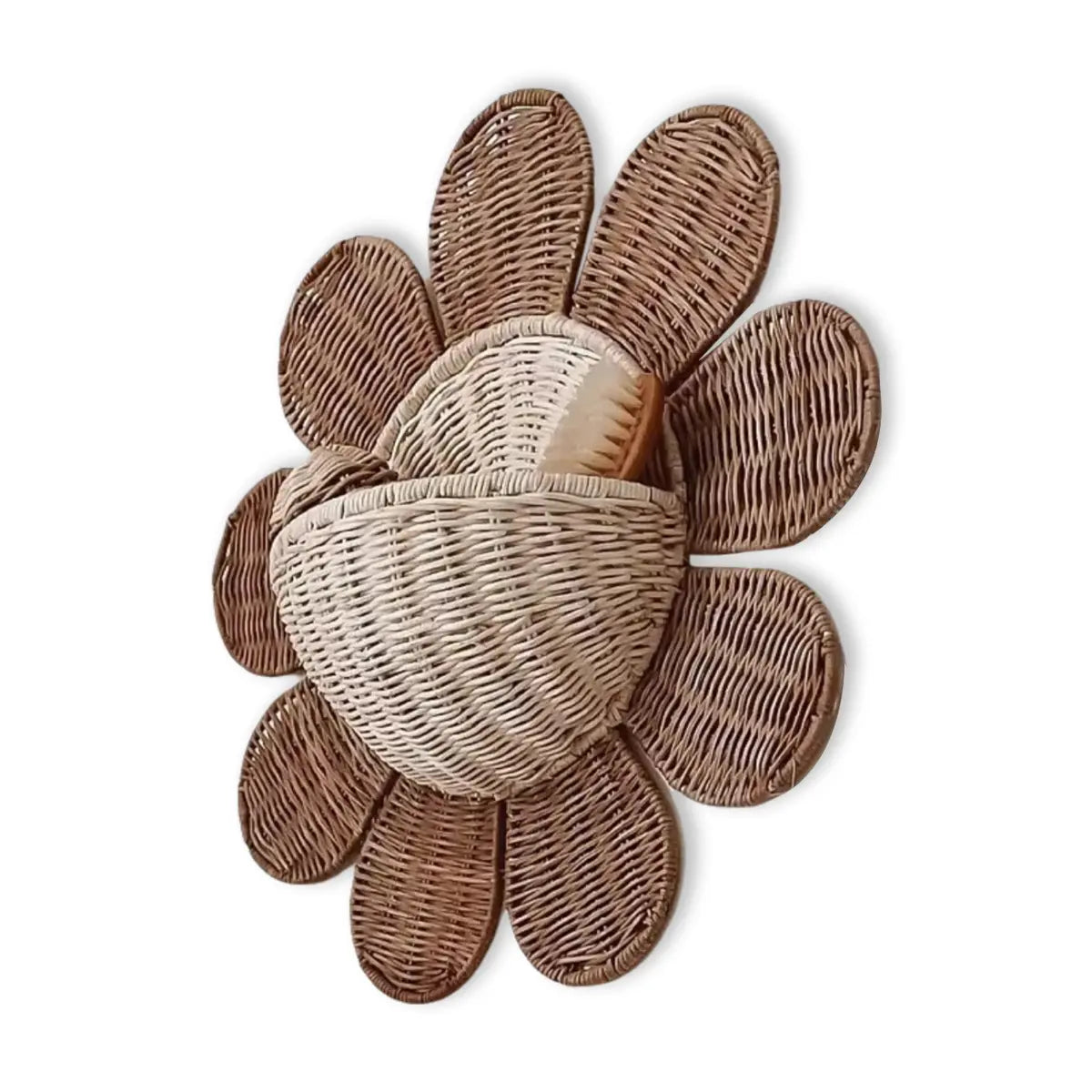


When we looked around our own homes, we noticed something surprising.
Beautiful furniture was made for people, while pet furniture was often designed as an afterthought—plastic, bulky, and out of place.
We believed pets deserve the same comfort, and homes deserve the same beauty.
That's why we created NienBam—a collection of thoughtfully crafted furniture and storage made from natural materials, designed to bring people, pets, and living spaces together in harmony.
Because a beautiful home should never ask you to choose between style and the ones you love.

Pet toys have a remarkable ability to appear everywhere. Under the sofa. Across the hallway. Beside the bed. In the middle of the living room five minutes after you finished cleaning. The goal of good pet toy storage is not to hide every sign that an animal lives in your home. It is to make everyday tidying easier while keeping toys accessible. Keep Storage Close to Where Toys Are Used The most practical storage system is usually the one closest to the mess. If most play happens in the living room, keep a basket there. If your pet carries toys between rooms, consider smaller storage baskets in multiple areas instead of one large container hidden away. Easy access makes it easier to put things back. Choose Storage You Do Not Need to Hide Pet storage becomes much simpler when the container itself looks good. Woven baskets are especially useful because they can sit naturally beside sofas, cabinets, benches, or shelving. Rattan, seagrass, paper rope, and other natural fibers introduce texture while visually blending with ordinary home storage. The basket no longer says: “Pet supplies.” It simply looks like part of the room. Use Open Baskets for Everyday Favorites If your pet frequently chooses its own toys, low open baskets can work particularly well. Keep frequently used toys visible and within reach while storing less-used items separately. This helps prevent one basket from becoming an overflowing collection of everything your pet has ever owned. A simple rotation can also make old toys feel interesting again. Use Lidded Storage for Visual Calm Not every toy needs to remain visible. Lidded baskets work well for larger collections, seasonal accessories, grooming supplies, blankets, or backup toys. They are particularly useful in bedrooms, kids' rooms, or shared living spaces where you may want a cleaner visual appearance. Decorative lids can also turn practical storage into part of the room's personality. Create Shared Storage Pet storage does not always need its own isolated category. A larger woven basket can hold throws and blankets alongside a smaller section for pet accessories. A hallway cabinet can combine walking supplies with everyday household items. This idea of shared storage reflects the reality of living together. Homes are not divided into perfectly separate human and pet zones. Neither does storage need to be. Choose a System You Will Actually Use The best storage solution is rarely the most complicated one. It is the one that makes everyday life easier. Keep baskets accessible. Avoid overly deep containers for frequently used toys. Use washable or easy-to-clean liners when necessary. And allow some toys to remain part of the home. A perfectly empty floor is not the goal. A calmer, more considered shared space is.
Learn more
Pet furniture does not have to look like an interruption. With thoughtful materials, placement, and proportion, a pet bed or cat house can feel just as intentional as a chair, side table, or storage basket. The secret is to treat pet furniture as part of the interior from the beginning. 1. Match Materials, Not Everything You do not need an exact color match. Instead, look for materials that connect naturally with the rest of the space. If your living room includes oak, linen, woven baskets, and warm neutral colors, a rattan pet bed can fit naturally even if the tones are slightly different. Repeating texture often creates more harmony than perfectly matching color. 2. Work With Your Existing Palette Neutral pet furniture is easier to integrate because cushions and textiles can carry color. Cream, beige, warm brown, natural wood, and muted woven tones work particularly well in shared spaces. If your interior uses stronger colors, introduce them through removable cushions, blankets, or nearby accessories rather than the entire structure. This makes the furniture easier to update over time. 3. Place Pet Furniture Where Your Pet Actually Wants to Be Beautiful furniture is useless if your pet refuses to use it. Cats often prefer warmth, height, windows, or partially enclosed spaces. Dogs frequently choose places near human activity. Observe your pet before deciding where a new piece belongs. A beautiful cat house hidden in an unused corner is less successful than a simple bed beside the family sofa. 4. Use Pet Furniture to Balance a Room Think about pet furniture as another shape within the composition. A round woven pet cave can soften a room dominated by straight furniture. A rectangular rattan house can visually connect with shelving or cabinetry. An elevated bed can add height to an otherwise empty corner. Design becomes easier when you stop treating the piece as an exception. 5. Avoid Overcrowding Pets may own many things, but they do not all need to remain visible. Choose a few well-designed pieces for everyday use and store the rest. One attractive pet bed and one thoughtful storage basket will usually integrate more successfully than several competing pet products. 6. Let Pet Furniture Have Character Integration does not mean making everything disappear. A beautiful woven pet house can be a feature. A sculptural elevated bed can attract attention. A playful storage basket can bring warmth to a child's room. The goal is not to make pet furniture invisible. It is to make it feel intentional. A Home Shared Beautifully Good home design reflects the people who live there. And in many homes, that includes pets. Their beds, toys, blankets, and favorite resting places are part of everyday life. When those objects are chosen with the same care as the rest of the home, the space begins to feel more connected. Not divided into human furniture and pet furniture. Just a home designed for everyone.
Learn more
Pet furniture has traditionally been designed as a separate category from home furniture. But when pets share our living rooms, bedrooms, and everyday routines, that separation begins to feel unnecessary. Natural pet furniture offers another approach. Made from materials such as rattan, bamboo, wood, seagrass, and woven fibers, these pieces can provide comfortable spaces for pets while contributing to the visual character of the home. Natural Materials Feel at Home One reason natural pet furniture integrates so easily into interiors is simple: these materials already exist throughout our homes. Wooden tables. Rattan chairs. Woven baskets. Linen upholstery. Bamboo accessories. When similar textures appear in pet furniture, the visual transition feels natural. A woven cat bed does not immediately announce itself as a “pet product.” It simply becomes another warm, textured object within the room. Texture Creates Warmth Modern interiors often rely on simple forms and neutral colors. Without texture, those spaces can begin to feel cold. Natural fibers bring visual depth through small imperfections, variations in tone, and visible craftsmanship. This is especially valuable in minimalist or contemporary homes where a woven pet bed can add softness without introducing unnecessary decoration. Good Pet Furniture Can Be Furniture A pet bed does not necessarily need to sit in the corner. A beautifully constructed rattan pet house can become part of the room. An elevated woven pet cave can function almost like a sculptural side piece. A low cradle-style bed can complement lounge furniture. This change in perspective matters. Instead of asking: “Where can I hide the pet bed?” We can ask: “Where does this piece belong?” Natural Design Works Across Styles Natural pet furniture is particularly versatile because it adapts to many interiors. Light rattan suits coastal and Scandinavian spaces. Darker woven materials pair well with traditional or rustic homes. Clean bamboo structures complement Japandi and modern organic interiors. The material may remain the same, while the atmosphere changes depending on the surrounding space. Buy Fewer, Better Objects Thoughtful homes do not necessarily need more things. They need better things. Pet furniture that combines comfort, practical construction, and considered design can remain part of a home for years instead of becoming another temporary object. That philosophy is central to NienBam. We believe objects for pets should receive the same consideration as the rest of the home—from material and proportion to comfort and visual balance. Because when people and pets share a space, the things designed for them should belong there too.
Learn moreYour cart is currently empty.
Not sure where to start?
Try these collections:

Sign up for sustainable living ideas, new product updates, and 5% off your first NienBam order.